.png)
Back in 2018, there were already many amazing projects around the world using skateboarding to bring people together, build confidence and create meaningful, inclusive spaces. But many of these projects were working in isolation, without connecting with other likeminded projects or seeing themselves as part of a global movement.
Eight years later, things look very different for the social skateboarding community worldwide. Our Annual Survey of Social Skateboarding Projects Worldwide has now collected data from hundreds of projects around the world, giving us a unique window into how the sector has grown and changed between 2018 and 2025.
Before we get stuck into sharing the insights, we have to mention a few limitations of the data we’ve collected. While there has been a largely consistent group of projects which completed the Survey over time, the number and mix of respondents has fluctuated year to year. New countries and projects have joined the survey throughout, some have dropped off, and changes like introducing the survey in Portuguese in 2023 have significantly affected the response rate. So, rather than treating the numbers as a precise measurement of change across the entire sector, we see them as a big-picture snapshot of a growing and developing movement. And while a survey can never tell the whole story, the numbers over the years do give us many fascinating insights into our growing sector. Let’s dig into them!
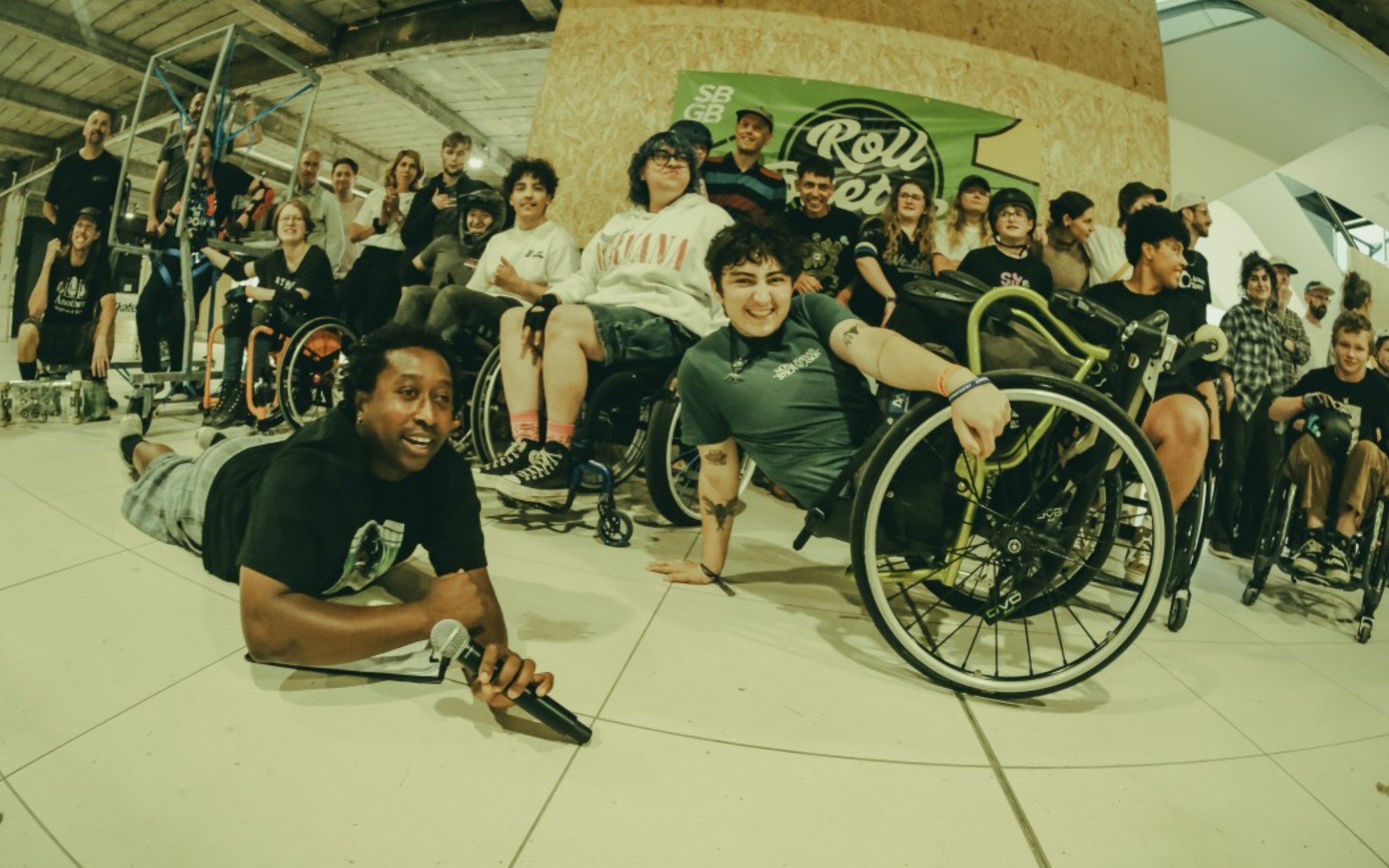
Back in 2018, only 39% of surveyed projects said that they frequently connected with other social skate projects around the world. By 2025, that figure had risen to 82%. Even more excitingly, 78% of projects said that Goodpush webinars, events and online platforms had helped them feel more connected to the global social skateboarding community. While skateboarding is known for its deep-rooted DIY ethos of skateboarding, it seems that within social skateboarding we’re increasingly doing it together instead – sharing ideas, knowledge, swapping resources, celebrating wins, troubleshooting problems and helping each other out.
.png)
Over the past eight years, social skateboarding organisations have become more established, structured and intentional about how they work. In 2018, just 25% of surveyed projects had a documented child protection policy in place. That jumped to 40% in 2019, peaked at 61% in 2023, and stood at 57% in 2025.
The number of officially registered non-profits also increased, from 49% in 2018 to 68% in 2025. And while volunteers remain central to social skateboarding, projects have also created more paid opportunities with projects having at least one full-time paid staff member increasing from 28% in 2018 to 42% in 2025. These changes show how skate projects are constantly improving their practices and becoming better equipped to create safe, sustainable and accountable spaces for their communities.
Here’s one of the most interesting shifts in the data. In the early years of the survey, skateboarding skills were consistently ranked as the most important skills for running a social skate project. Which makes sense to a certain degree – you need to know how to skate to be able to teach others.
But as the social skate community grew, something changed. In 2023, skateboarding skills were knocked off the top spot for the first time. Cultural understanding, communication and respect became more highly valued. And by 2025, teaching/mentoring skills had climbed to the top alongside leadership/management skills, with 69% of respondents identifying them as a top priority.
This feels like a really important sign of a maturing sector and demonstrates something we as social skate practitioners already instinctively know: social skateboarding isn't simply about teaching someone how to skate; it's about understanding the people you're working with, about establishing trust, communicating across differences, navigating challenging situations, building a healthy team, and acting as a role model for others.
Skating is the thing that brings us all together, but as skate coaches, it’s often the softer skills that make the magic happen.
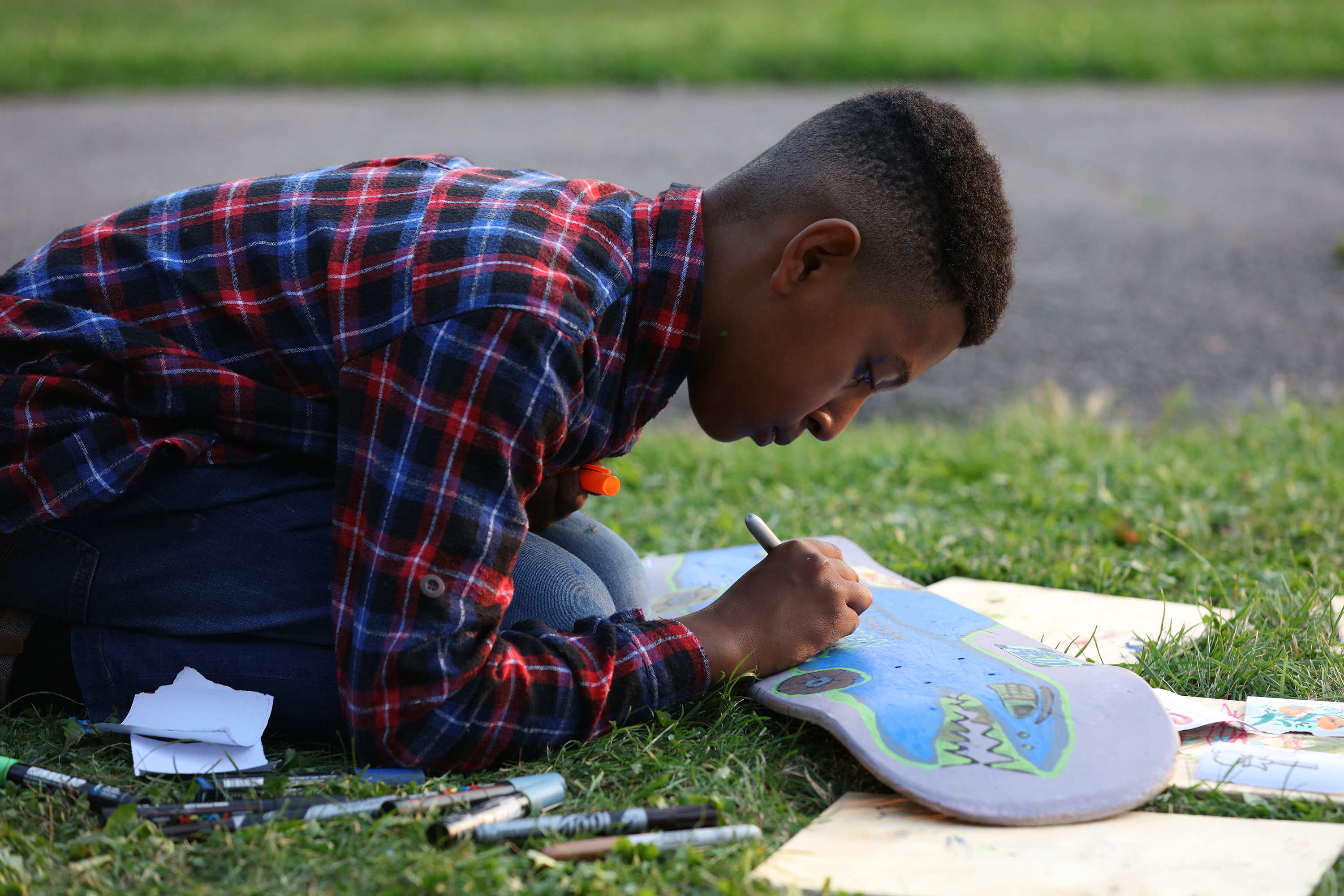
One of the biggest changes we've seen is the growing number of pathways for young people to move from participating in programs to helping shape them. Youth volunteering has steadily increased over the eight years, from 48% of projects having youth volunteers in 2018 to 71% in 2025. Projects employing youth participants as staff increased from 26% to 35% over the same period.
The growth in women's representation within project teams is also growing year on year. In 2018, just 33% of projects had at least one woman on staff. By 2025, that had risen to 78%. The number of projects with five or more women on their teams also increased, from 27% in 2022 to 35% in 2025.
In the course of those eight years our understanding of inclusion has also become broader and more nuanced. The inclusion of girls and women has always been a big focus area for social skateboarding projects and we see that reflected in the data: between 2018 and 2022, girls and women made up an average of 46% of total participants across the surveyed projects.
When we began tracking non-binary and gender-diverse participants in 2023, they accounted for around 4% of participant reach, and in our latest survey in 2025 we saw that figure rise to 14%. Of course, like all of the more personal data, not all projects gather this information, so the results are an indication rather than a true figure.
Some of this increase may reflect real shifts in participation and programming, while some may also reflect the fact that projects have become more aware of gender diversity and better able to ask about and record it. One thing seems very clear: projects have become more intentional about creating welcoming spaces for the new tradition of skaters.
The financial story is a little harder to pin down and shows social skateboarding projects having to adapt to changes and navigate an increasingly challenging funding landscape. Collectively, the reported budgets grew from $8.7 million in 2018 to $9.9 million in 2019, dropped to $6.6 million during the pandemic, and reached $20.9 million in 2024.
In 2025, the 116 responding projects reported a combined budget of approximately $7.6 million, although only 83 projects answered the budget question. In fact, every year, around 20% of respondents either didn't answer the budget question or said they didn't know their annual budget. Projects told us that they were often in their launch stages, applying for funding, operating with no formal budget, or relying entirely on personal contributions, friends, family and other forms of self-funding.
With the number and mix of respondents changing every year, these figures shouldn't be read as a precise measure of the sector's financial health, but there are still some interesting trends. In-kind donations such as skateboards and equipment remain the most common source of support, while foundation grants increased from 29% of projects in 2020 to 48% in 2025. On the one hand, we see that social skateboarding has become more visible and better able to access formal funding, while at the same time many projects are still operating with incredibly limited resources.
This resilience is impressive, but it also highlights the need for more equitable and accessible funding. Too much funding remains geared towards established organisations, often in the US, UK and Europe. If we want social skateboarding to keep growing and becoming more inclusive and accessible, we need to keep pushing for funding models that reach the grassroots and harder-to-reach locations, and keep supporting each other to build more sustainable projects.
.jpg)
This data tells us that social skateboarding has grown hugely. That we’ve become more connected, more professional, more intentional about safety and child protection, more focused on leadership, more inclusive in who we create space for, and increasingly confident in our ability to understand and demonstrate social skateboarding’s impact.
But we’re also reminded of how we can keep improving. There are projects that still need support to develop safeguarding systems, there are communities still missing from the movement, there are young people who need more pathways into leadership, there are women and gender-diverse skaters who still face barriers, there are organisations doing incredible work on shoestring budgets, there are resources that need to be more accessible and equitable, and there is a whole lot more we can learn from each other.
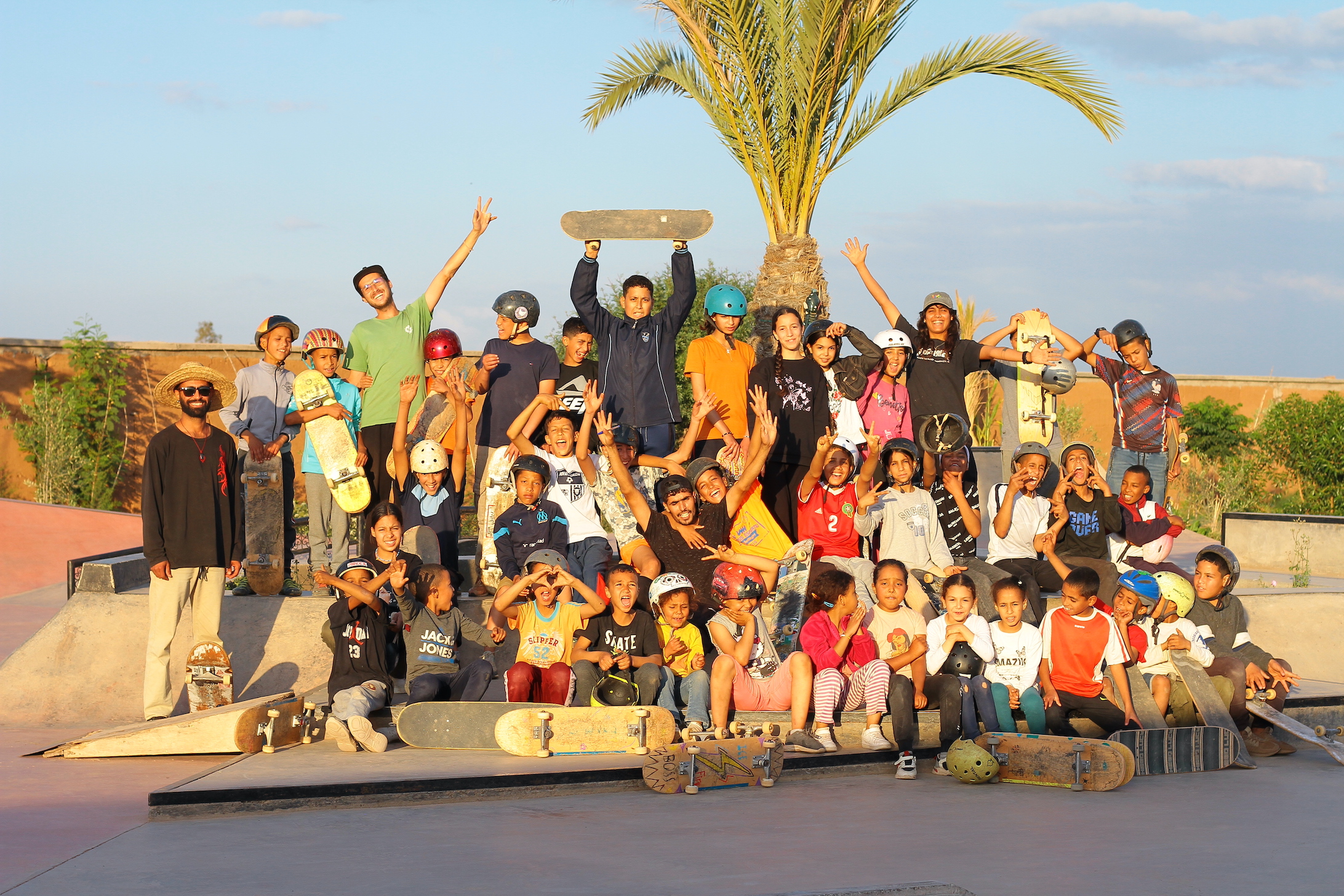
Hopefully the data shows that we are part of something much bigger than our own programs on the ground. Social skateboarding has become a global movement, let’s keep pushing for social change together.